GHANA AT A GLANCE
A snapshot of Ghana’s geography, governance, economy, and global role.
Country Profile
- Official Name: Republic of Ghana
- Capital: Accra
- Independence: 6 March 1957
- Population: ~33 million
- Language: English (official)
- Currency: Ghana Cedi (GHS)
- Time Zone: GMT
Location
- West Africa, on the Gulf of Guinea
- Borders: Côte d’Ivoire (W), Burkina Faso (N), Togo (E)
- Climate: Tropical
- Terrain: Coastlines – Forest Zones – Savannah Regions

Governance
- Constitutional Democracy (1992 Constitution)
- Executive · Legislature · Judiciary (separation of powers)
- Strong record of peaceful elections and political stability

Economy
- Agriculture: Cocoa, Cashew, Shea, Food Crops
- Minerals: Gold, Bauxite, Manganese
- Petroleum: Oil & Gas
- Manufacturing: Agro-processing, Textiles, light industry
- Services: Finance, Telecoms, Logistics, Tourism
- Diversified economy
- Growing digital innovation sector
- Pro-investment government policies

Global Engagement
- Active participant in multilateral diplomacy
- Contributor to UN Peacekeeping
- Strong engagement with international organisations

Tourism Highlights
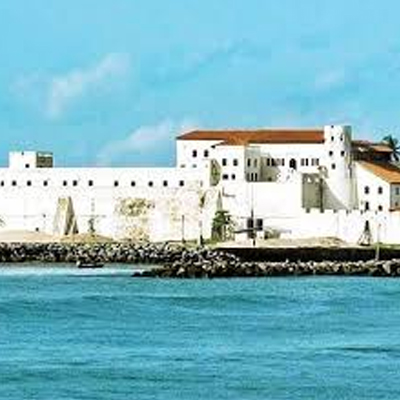
- Cape Coast & Elmina Castles (UNESCO)
- Kakum National Park (Canopy Walkway)
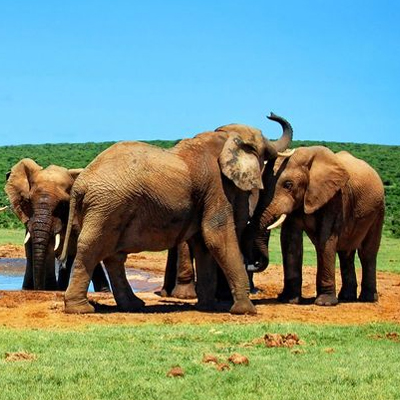
- Mole National Park (Safari Wildlife)
- Lake Volta
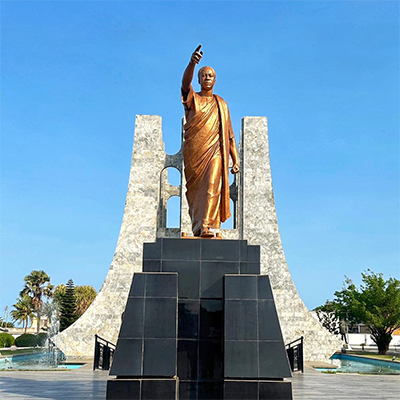
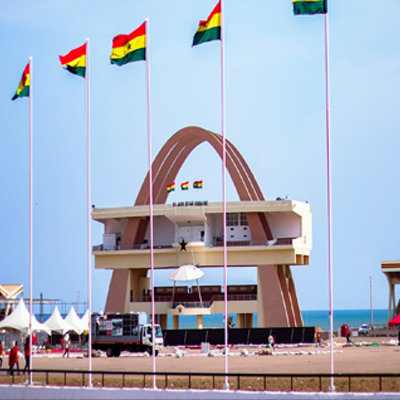
- Kwame Nkrumah Memorial Park
- Waterfalls
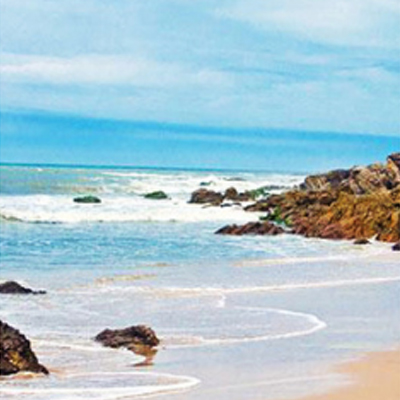
- Beaches
- Eco-tourism

Trade & Investment
- Gateway to the West African market
- Investor-friendly climate and regulatory framework
- Member of:
- African Union (AU)
- ECOWAS
- World Trade Organization (WTO)
- African Continental Free Trade Area (AfCFTA) – Secretariat hosted in Accra
Culture & People
- Over 100 ethnic groups
- Renowned for hospitality
- Rich traditions: Music • Dance • Festivals • Kente weaving

